How to Choose the Right Dune Buggy for a Dubai Desert Trip
Choosing a dune buggy in Dubai is less about picking the loudest vehicle and more about matching the machine, the route and the safety setup to the kind of day you want. The desert can feel open and forgiving, but sand, heat and changing light make preparation matter. A good choice starts before anyone climbs into the seat.
Decide what kind of desert drive you want
Start by setting the purpose of the trip. A short ride over nearby dunes suits a first timer who wants a taste of off-road driving. A longer desert safari with stops, photos and a slower pace calls for a different plan. If the main aim is speed on open sand, the vehicle and route need to reflect that, along with clear limits on where speed is appropriate.
Think about who will ride. Children, older passengers and people who are sensitive to heat or motion may prefer a calmer route with fewer steep climbs. A buggy with a firm suspension can feel quick and lively, while a softer setup may be more comfortable over broken sand. The right choice is the one that fits the group, not just the vehicle spec sheet.
Also decide how much driving you actually want to do. Some people enjoy taking the wheel under supervision. Others prefer to sit back and watch the dunes pass. If you plan to drive, be honest about your experience with an off-road vehicle. Sand behaves differently from tarmac, and confidence on city roads does not always translate to a sand dune.
Check the vehicle type and size
Dune buggies come in different shapes, from compact two seat machines to larger four seat models. A smaller buggy can feel agile and easier to place on narrow tracks. A larger one gives more room for passengers and bags, but it may feel heavier when the sand softens or when the route climbs.
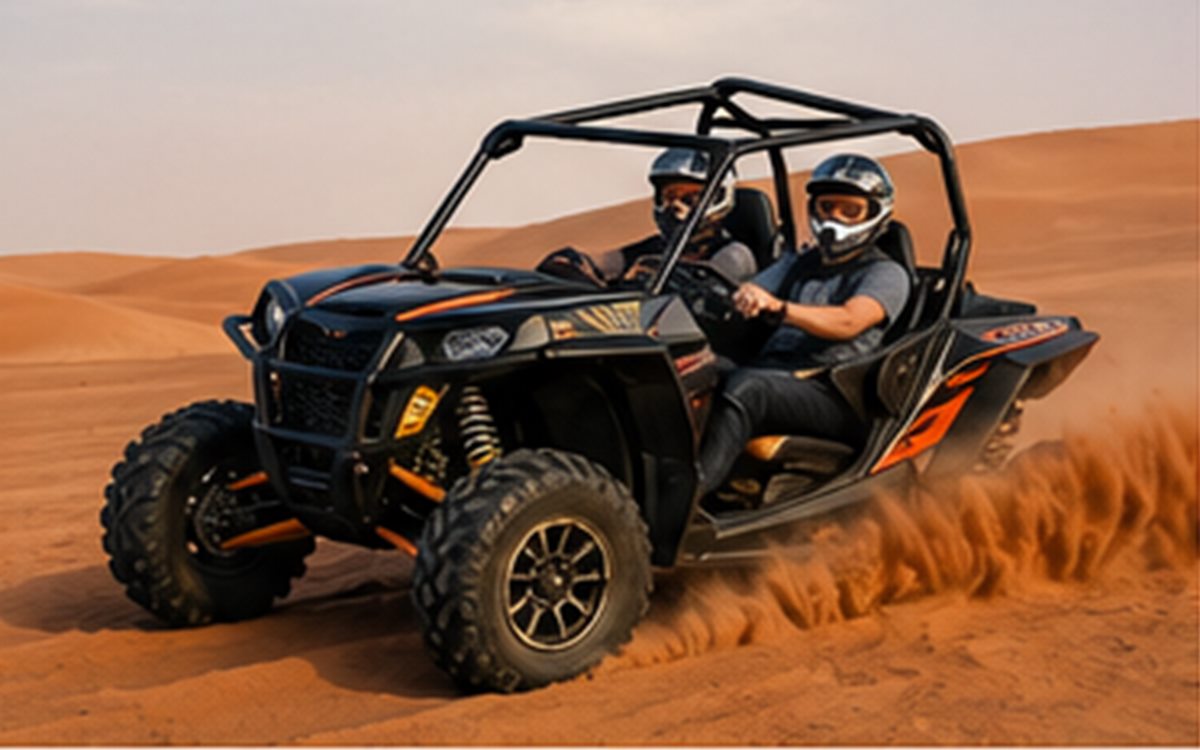
Look at the seating layout before you commit. Each rider needs a proper seat and enough space to sit without being cramped. Check that doors, side rails or frames are in good condition and that there are no sharp edges near hands or legs. If the trip includes a helmet, make sure it fits properly rather than simply being available.
Power matters, but it is not the only measure of a good buggy. A machine with strong acceleration can be fun, yet it can also encourage harsh steering and sudden climbs. Ask how the buggy is set up for sand, including tyres, suspension and ground clearance. Wide tyres help spread weight over soft sand. Good clearance reduces the chance of scraping on ridges and rough patches.
When comparing options on aljazeeratours.com, keep the focus on fit, route and safety rather than choosing by appearance alone. A buggy that looks impressive in a photo is not automatically the best match for the terrain or the group.
Review the safety setup before booking
Safety is where a careful choice separates itself from a careless one. A suitable buggy should have working seat belts or a safety harness, a helmet for each rider where required, and a clear procedure for what happens if someone stops, rolls or needs help. Check that the vehicle looks well maintained from the outside. Torn straps, cracked helmets, loose panels and worn tyres are all signs to question.
Ask whether the drive follows marked routes and whether there is a plan for staying together. In the desert, it is easy to lose direction when the light changes or when every dune looks similar. A guided tour can reduce that risk because the route is known and the pace is managed. If independent driving is involved, make sure the boundaries are clear before departure.
Speed limits deserve attention too. Open sand can tempt drivers to go faster than is sensible near other vehicles, camps or slow-moving traffic. A responsible operator will explain where speed is acceptable and where it must be kept low. Watch for sudden dips, hidden ridges, soft patches and loose surfaces. Reducing speed before a turn is smoother and safer than trying to correct after the buggy starts sliding.
Match the route to the season and time of day
Dubai conditions change across the day. Midday heat can make an otherwise enjoyable ride tiring, especially for children and older riders. Early morning light gives better visibility and cooler air, while late afternoon brings longer shadows that can make dune shapes harder to read. Night driving has a different feel again, with a narrower view of the terrain ahead.
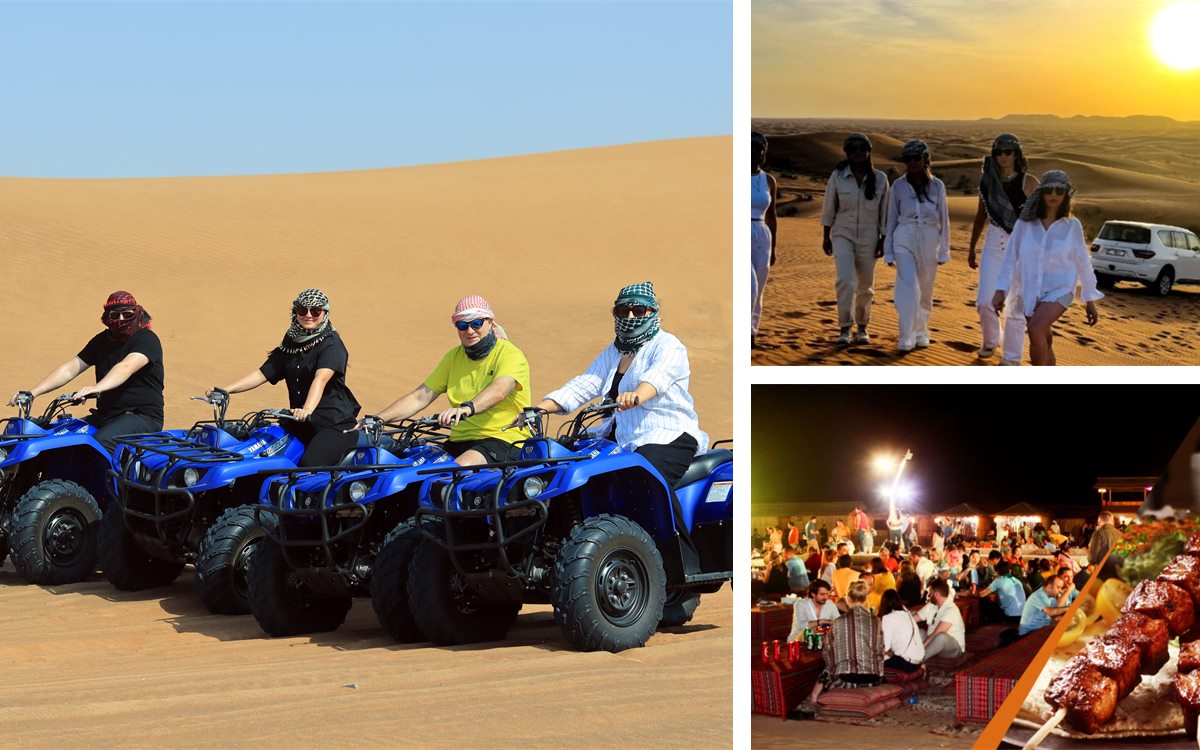
Ask how long the drive lasts and what the route includes. A route with frequent stops needs clear places to park away from traffic flow. A route with steep dunes should suit the skill level of the drivers. If the plan includes photography, the buggy needs to stop in a safe area rather than on a slope or along a busy track.
Weather also affects sand. After wind, tracks may shift and surfaces can feel less predictable. A route that was easy on one day may feel different on another. This is another reason to choose an option that adapts to conditions instead of forcing a fixed plan.
Compare what is included and what is expected
Before making a final choice, read the trip details closely. Check whether the price includes the buggy, helmets, fuel, supervision, transport to the start point and any required safety gear. Be cautious with vague descriptions. Clear wording is usually a better sign than big promises.
Find out what riders are expected to bring. Closed toe shoes, comfortable clothing and sun protection are practical for a desert trip. Loose scarves, floppy accessories and anything that can catch on a frame are poor choices. Water is useful in warm conditions, and sunglasses can help with glare, though they need to stay secure on the move.
It is also worth checking what happens if the weather changes or if a rider decides not to drive after arriving. A clear approach to these situations helps avoid confusion later. The best option is one that explains the basics plainly before the day begins.
For a broad comparison, many visitors start with aljazeeratours.com and then judge each dune buggy option against the same practical points: vehicle condition, route, safety equipment, group size and rider comfort. That keeps the decision grounded.
Ask the right questions, then make the call
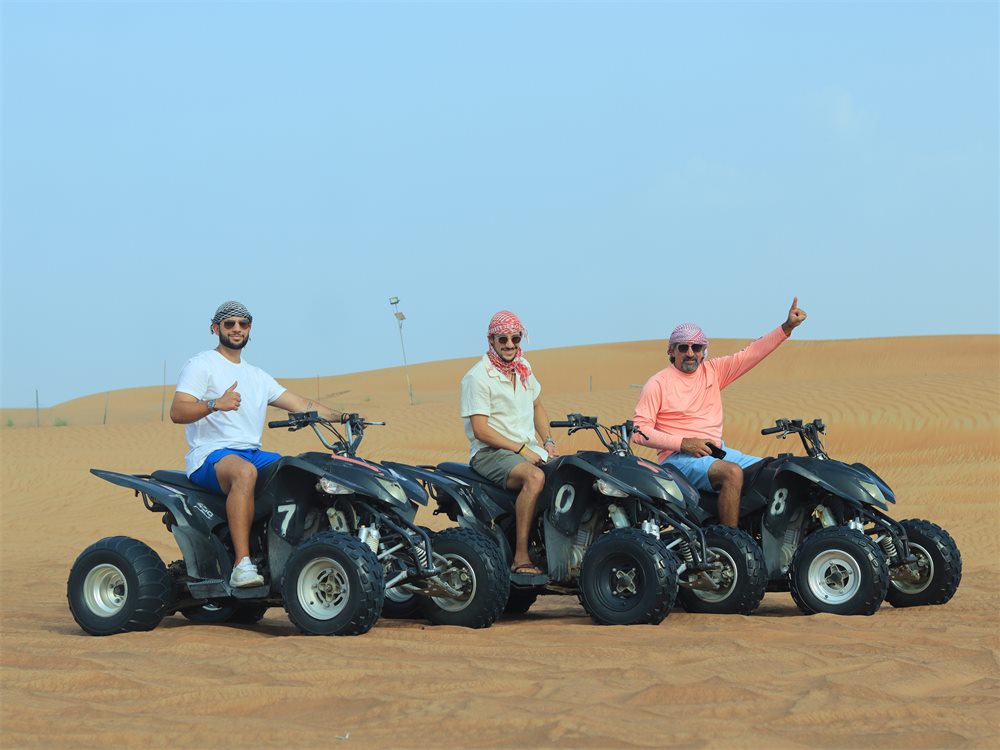
A few direct questions can prevent most disappointment. Ask who is allowed to drive, what licence or experience is expected, and whether passengers need any special arrangements. Ask how many people share the route at once and how the pace is controlled. If a quad bike is also part of the experience, check whether riders switch vehicles and how that is managed safely.
Listen for clear answers. Vague replies about safety, route boundaries or vehicle condition are a reason to pause. A well-run experience can explain the basics without making the rider feel awkward for asking. The aim is not to find a perfect set of words, but to see whether the details hold up.
The final choice should feel balanced. Pick a buggy that suits the passengers, a route that suits the conditions and a safety setup that is easy to understand. When those three parts line up, the desert drive becomes far more than a quick ride over sand. It becomes a well-planned outing where the fun is supported by sensible decisions made before the engine starts.